By Charlotte Selmer
In the evolving field of digital marketing, influencer marketing has emerged as a powerful strategy for brands that are looking to connect with their audiences. As consumers continue to turn to social media for recommendations, the role of influencers and their ability to drive purchasing decisions continues to become more prevalent. Within the topic of influencers, two distinguishable categories have gained significance: micro-influencers, with a niche following and high engagement rates, and macro-influencers, who focus on larger audiences with a broader reach. Throughout this blog post, we will explore the differences between micro and macro influencers, helping you determine which type aligns best with your brand’s goals, budgets, and target audience.
Understanding Influencer Marketing
Influencer Marketing is a social media strategy that allows businesses to collaborate with influencers to increase brand visibility. Influencer marketing relies on trusted individuals who have expertise and genuine knowledge about the product or services they are promoting, rather than just associating a well-known name to a brand, often referred to as celebrity endorsement. Influencers usually work independently and develop their own social media content that features the company’s products. This approach helps communicate the brand’s message while promoting authenticity to the user. What makes influencer marketing unique is that basically anyone can engage with and promote brands that align with their personal consumer profiles.
Micro-Influencers
Brands often turn to micro-influencers for their ability to achieve high conversion rates while also accommodating brands with lower budgets. These influencers typically have follower counts ranging from 10k to 100k followers. The key advantage of micro-influencers is their ability to target niche audiences, ranging from followers with share values or specific regions. Many brands tend to favor micro-influencers for the authentic relationships they develop with and the high level of engagement they receive. Followers often feel a stronger connection to these influencers, due to their ability to interact on a more personal level. Also, micro-influencers can be a cost-effective option, as many will often accept product gifts in exchange for social media posts. Even large-scale brands like Glossier, Daniel Wellington, Outdoor Voices, and Lululemon recognize the value of micro-influencers and actively include them in their marketing strategies.
While many brands find success with using micro-influencers in their marketing strategies, others find that they experience lower reach and viability, leading them to partner with more than one micro-influencer to achieve the same outcome as a single macro-influencer. Additionally, some brands express concern that micro-influencers lack experience and struggle to create content that aligns with their brand identity. Despite these concerns, many others find micro-influencer partnerships to be a highly effective approach that should not be overlooked.
Macro-Influencers
While some brands focus on catering to specific segments, others aim to attract a diverse range of customers with different interests and backgrounds. With follower counts ranging from 100k to 1M, macro-influencers tend to offer broader reach and visibility. Typically, they work with a team of professionals, including photographers and video editors, allowing them to produce more professional content compared to micro-influencers, who often create content individually. By collaborating with influencers who have larger following, brands can access wide-ranging networks and improve their market presence. These influencers play a crucial role in connecting brands and consumers, establishing trust through their online footprint. Many sports brands, such as Nike, Adidas, and Under Armor, leverage macro-influencers like athletes to highlight their commitment to performance and durability in their products.
While macro-influencers tend to be the more favorable due to their wider reach, they come with a substantial financial commitment that may not be suitable for every brand. Although macro influencers boost a higher following and generate more views, they typically experience lower engagement rates — around 5% due to the fact that they their engagement has a broader audience to reach. Although macro-influencers are a popular choice in influencer marketing, they may not be the best fit for your individual goals.
Choosing the Right Influencer for Your Brand
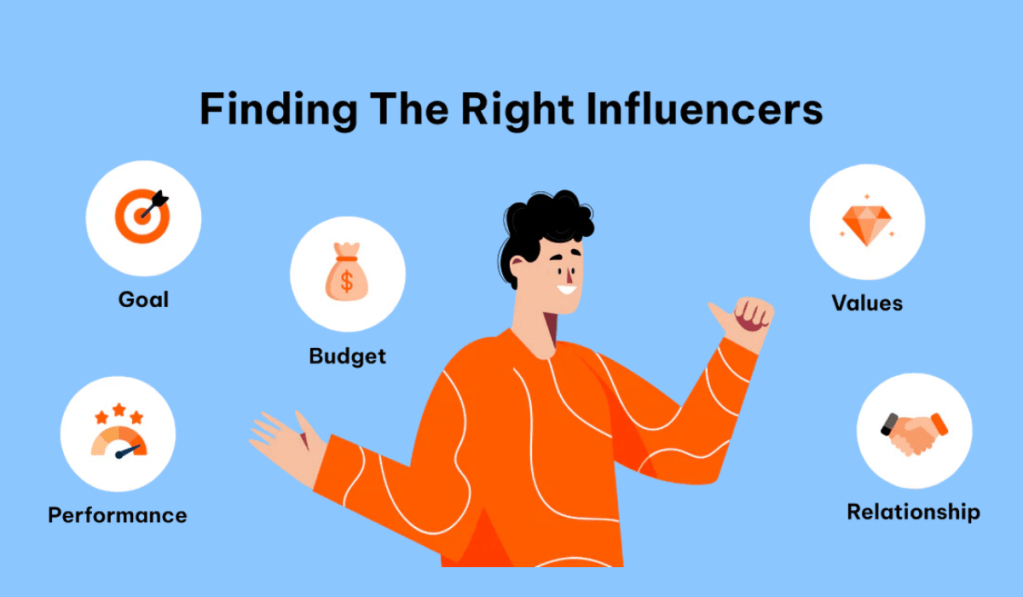
When choosing the right influencer for your brand, it’s important to consider your specific goals and target audience to maximize reach and engagement for your followers. Consider these key questions to help guide your decision:
- What are your brand goals —are you focusing on brand awareness or niche engagement?
- How well does the influencer’s audience and interests align with your target audience?
- Does the influencer’s content style align with your brand voice and image?
- What resources do you have available for influencer marketing (budget, time, etc.)?
- What metrics will you use to evaluate the effectiveness of your influencer partnerships?
By reflecting on these questions, you can gain a clearer understanding of which influencers will best suit your brand. Additionally, running A/B campaigns with both micro and macro influencers will help you to compare social media metrics like engagement and conversion rates. This comparison can help you to determine the most effective strategy fitted to your brand’s needs.
Graphic: Choosing the Right Influencers: A Simple Guide for Small Ecommerce Businesses
 AMA University of New Hampshire

Leave a comment