
By: Mia Pittore
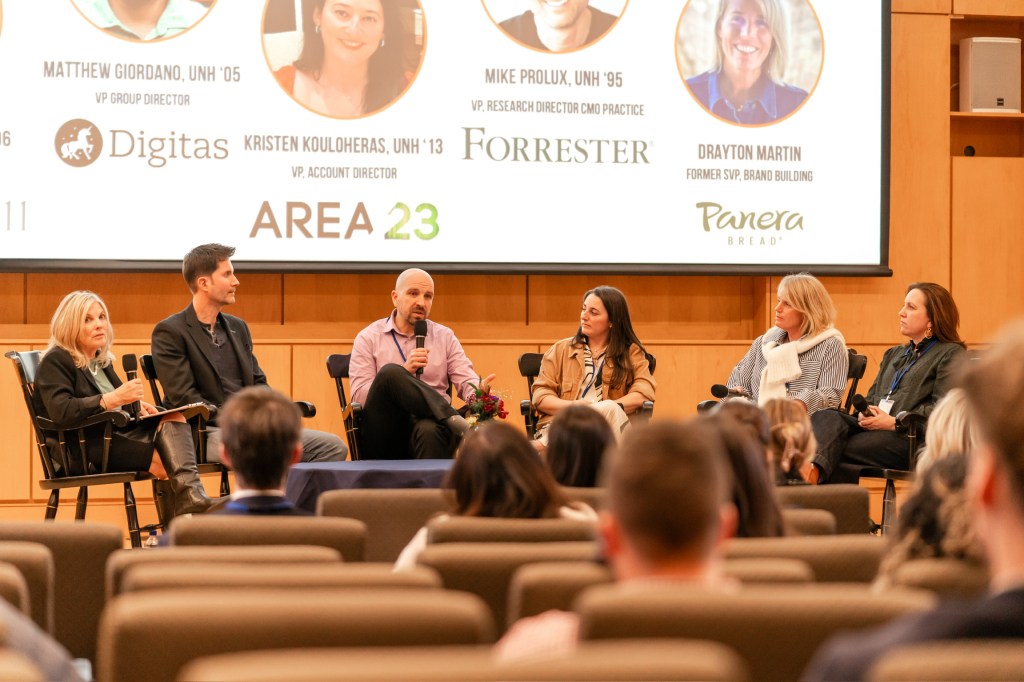
Why do some events fade from memory right after they end, while others linger for years? Think about it. You’ve probably attended countless meetings, parties, or gatherings that all blend together. Yet you can vividly recall the concert where your favorite band played your song, the wedding where everyone danced until sunrise, or the product launch that made you feel part of something exciting.
The difference lies in event marketing psychology. Successful brands leverage this psychology to create emotional, immersive experiences that go far beyond a billboard or online ad. A digital ad might grab attention for a moment, but a well-crafted event marketing strategy can create a memory that becomes part of your story, something you share on social media and carry with you for years.
Emotion: The Core of Memory
At the heart of every lasting event is emotion. People don’t usually remember facts or details; they remember how an experience made them feel. When an event brings joy, nostalgia, excitement, or even surprise, it leaves a strong impression on the brain.
Think of Apple product launches. People don’t just tune in to learn specifics; they’re there for the thrill of the reveal and the anticipation of “one more thing.” That rush of excitement is what stays with them. Consider weddings. Why are they so unforgettable for both guests and couples? These occasions are filled with strong emotions, where music, visuals, and words are meant to evoke powerful feelings.
Marketers tap into this by using multiple senses. They use music to set the mood, lighting to enhance emotions, visuals to grab attention, and sometimes even scent or taste to create lasting memories. For instance, if you walk into a Coca-Cola holiday event, you might catch a whiff of cinnamon or hot chocolate in the air. These small details make the experience richer and harder to forget. Instead of just hearing about a brand, attendees truly experience it.
The Peak End Rule: Why High Points Matter
Psychologists discuss something known as the “peak-end rule.” In simple terms, people don’t remember every moment of an experience. They focus on the most intense part (the peak) and the ending.
Consider a music festival. You might not recall every single performer or food truck, but you’ll never forget the headliner’s finale or the fireworks that wrapped up the night. Sports games operate the same way. A fan may forget the middle innings of a baseball game, but they will always remember the walk-off home run and the excitement of leaving the stadium feeling energized.
Event marketers plan for this. They create moments of awe, such as a surprise guest speaker, an unforgettable performance, or a dramatic product reveal, and they pair these with a strong closing that ensures people leave with the best impression. The last five minutes of an event can be just as important, if not more so, than the first fifty.
Participation: From Spectators to Co-Creators
Events that stick in people’s minds rarely have them sitting quietly. Participation is important. People want to engage, test, and create, not just observe.
Consider fitness brand pop-ups, such as Peloton or Lululemon. Attendees don’t merely listen to someone talk about the product; they try a workout, stretch with an instructor, or test new gear right on the spot. This active involvement strengthens their memory because the experience feels personal.
Even corporate events focus on this approach. Instead of endless PowerPoint slides, workshops encourage participants to brainstorm, build, or engage in role-playing. The more senses and actions involved, the more ownership attendees feel. That feeling of “I was part of this” turns a forgettable event into one that people remember.
The Power of Shared Experiences
Humans are social beings. Sharing experiences with others, whether friends, colleagues, or even strangers, makes those experiences more meaningful and enriching.
Consider how fans chant together at a soccer game or sing together at a concert. Those moments connect people, even if they’ve never met. This is part of why festivals like Coachella or Tomorrowland remain popular. The memories are not just about the music; they involve the shared energy and connection that come with it.
Marketers recognize this and create moments designed for sharing, both in person and online. Group activities, team challenges, or social media-friendly events encourage people to spread the word. A well-placed photo booth, interactive installation, or hashtag can keep the spirit of an event alive long after it ends, turning attendees into storytellers and enhancing the emotional impact.
The Halo Effect: When One Event Shapes a Brand
One strong event can change how people see an entire brand. This is known as the “halo effect.” When individuals have a positive and memorable experience, that feeling influences how they view the company’s products, services, and reputation.
Take Nike’s community runs or Red Bull’s extreme sports events. Attendees are not just watching a brand; they are part of an experience that represents the brand’s identity. That positive connection stays with them. Even months later, when they see the logo, they don’t just think of a shoe or an energy drink. They recall the excitement, adrenaline, and connection they experienced at the event.
The halo effect is very powerful. A single well-planned event can create loyalty that lasts for years, greatly exceeding the impact of traditional ads.
Stories That Live On
Ultimately, event marketing works for a straightforward reason: it gives people stories to share. Long after the event is over, attendees talk about their favorite moments with friends, post memories on social media, and relive the experience through conversations. Each time they share these stories, it strengthens their memory and naturally spreads the brand message.
In contrast, an online ad might only grab attention for a brief moment. Experiences last because they connect with us on a deeper, human level. They are emotional, interactive, and communal. They feel personal. When something feels personal, it becomes part of our story.
Why It Matters
In a world where it’s tough to grab attention, event marketing stands out because it aligns with how our brains naturally process and remember experiences. It’s not only about selling a product or service; it’s about creating a memorable experience. By focusing on emotions, designing impactful moments, encouraging participation, fostering shared experiences, and using the halo effect, event marketers can make sure their efforts don’t fade away; they leave a lasting impression.
In the end, the most successful events are those that feel personal. They move us, connect us, and give us something to remember. That’s why, while traditional ads may come and go, experiences stay with us, often for a lifetime.
Sources
Evenito. “The Basics of Psychology in Event Design.” 2024.
MadeFirst. “The Psychology of Experiential Marketing.” 2024.
AZ Big Media. “The Psychology Behind Why Experiential Marketing Works.” 2024.
Marketing Method. “The Power of Brand Experience.” 2023.
Kahneman, Daniel. Peak–End Rule. 1999.
 AMA University of New Hampshire
Leave a comment