
By Kaitlyn Philpott
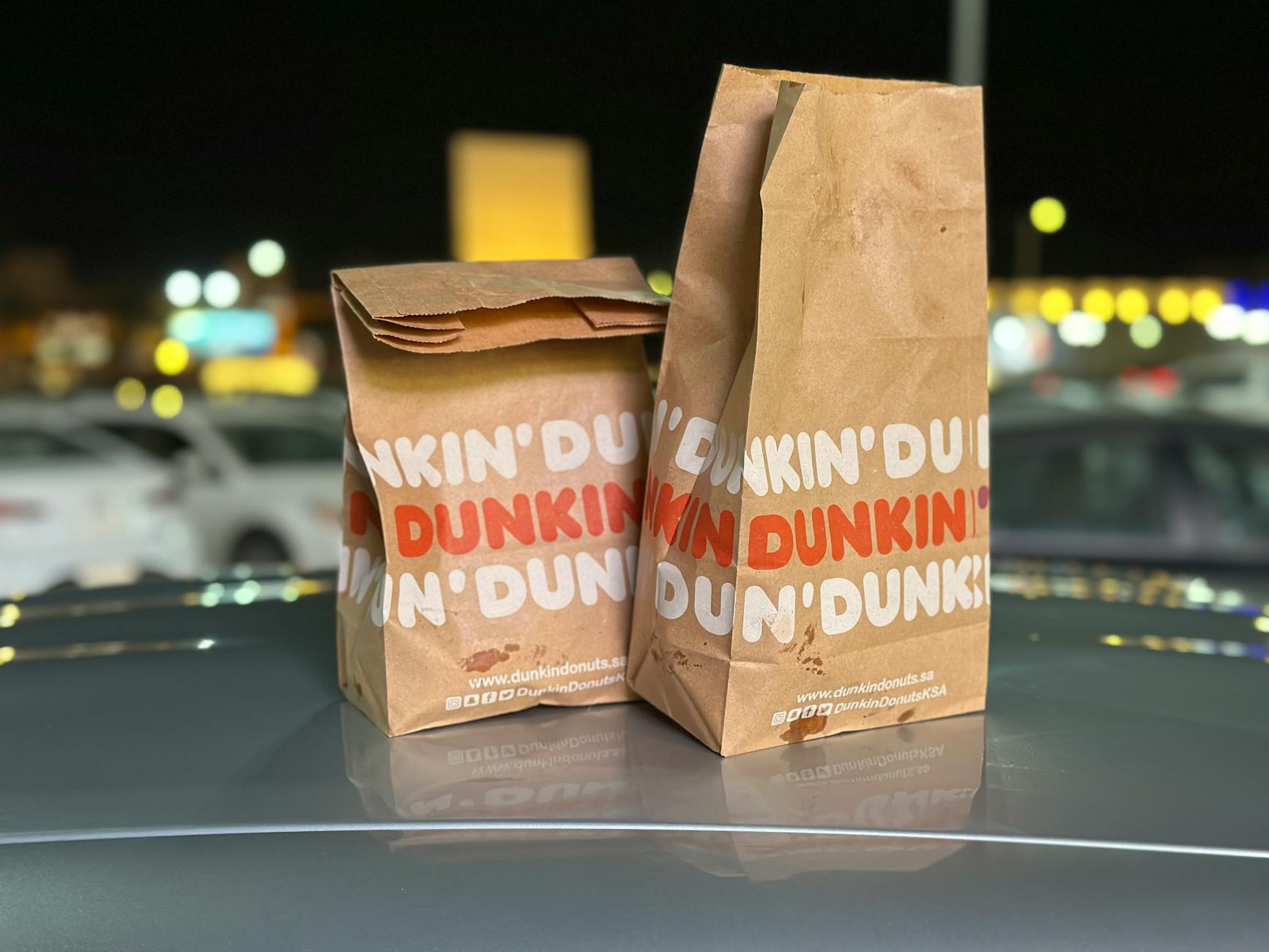
In an age of technology where we are constantly fed new content, brands fight for just seconds of consumer attention. In order to stand out amongst the noise, brands are thinking out of the box to find new, unconventional ways of storytelling to their consumers. One of the most surprising and successful examples came from Dunkin’ Donuts and their unhinged “Spidey-D” social media campaign.
The Birth of Spidey-D
In 2024, to launch their Halloween menu, Dunkin’ Donuts created a personified donut that would come to wreak havoc on the brand’s social media accounts. The company’s social media team claimed that the donut had “hacked” the accounts, posting memes riddled with spelling errors and Gen-Z humor. The first of these posts was a multi-slide carousel of the spider donut beckoning the reader closer and closer until revealing in the final photo that it was now “in charge.” In the caption of this post, the character introduced itself as “Spidey-D,” and in posts following, began dropping lines like “meet me in the parking lot” and “if u aren’t afraid of spiders ur gonna be.” Young consumers found the improper grammar and lack of capitalization relatable and charming, as it has been a trend in recent years among Gen-Z to not use capital letters in things like texts or posts for aesthetic purposes.
Prior to the Spidey-D campaign, Dunkin’s social media strategy was relatively tame. It mostly featured product photos, celebrity endorsements, and neatly curated brand posts. This was an effective strategy, but it did nothing to make Dunkin stand out, as it was indistinguishable from countless other coffee chains.
In taking a huge risk for their brand, Dunkin blurred the line between advertisement and entertainment when introducing their new character. By abandoning the traditional seriousness of marketing campaigns, Dunkin was able to lure younger consumers to their brand, bring the fun of a holiday into their marketing, and turn a seasonal promotion into a pop-culture moment.
The Internet Reacts
The response to this campaign was overwhelmingly positive. Much of the campaign’s success came from how it invited participation. Users left comments saying “ma’am this is a dunkin’” and “IN FRONT OF MY HASHBROWNS?” They also praised Dunkin with comments like “Dunks might be the first company to know what we want in our ads,” and others admitted to following Dunkin just for Spidey’s high jinks.
Some fans even made their own Spidey-related memes in an attempt to predict what the spider would do next. The emotional connection and sense of community spawned by this campaign created a new level of kinship between consumers and the Dunkin’ brand. It was viewed as interactive, relatable, and humorous, humanizing the brand image. This created an overall shift in Dunkin’s brand perception and made a lasting impact for the company.
The spider became beloved for its vaguely threatening and highly flirtatious posts on Instagram, even gaining the attention of those who were not followers or consumers of Dunkin’ Donuts prior. Everyone wanted to know what Spidey would do next.
Other brands couldn’t resist joining in on the buzz around this campaign either. Oreo shared a variation of its own spider character, and brands like Pop-Tarts, Walgreens, and Goldfish chimed in with comments under Dunkin’s posts. Late-night host Stephen Colbert even featured the campaign in his “Screamwhile” segment of The Late Show, furthering Spidey-D’s pop culture status. The interaction from these brands, celebrities, and consumers further amplified the momentum of Dunkin’s Halloween stunt.
Spidey-D’s Return
After the campaign’s viral success in 2024, Dunkin couldn’t let Spidey go forever. This year, Spidey returned—accompanied by several warnings. The first was a takeover of Dunkin’s location in Salem, Massachusetts. The signage was covered in purple slime and taunting, misspelled messages from Spidey were plastered across the windows and around the café.
Over the following days, the company dropped cryptic hints about Spidey’s return, including a poster titled “Have You Seen This Creature?” featuring Spidey. The last post before Spidey-D’s return was a “text” from the president of Dunkin’ telling the social media team to release Spidey from containment.
Over the next week, Spidey released new merchandise featuring himself, including a Jumbo Spidey-D Bling Chain and a giant spider plush that sold out in 15 minutes. He also “hacked” the app and released a free coffee for its users under the promotional code “THANKYOUSPIDEY.” This generated even more word-of-mouth buzz and positive feedback surrounding the brand.
Spidey’s reign lasted 10 days before being captured by Dunkin in a “thirst trap.” While his control only lasted a short time, he created a lasting impression and positive buzz around the brand once again.
Marketing Lessons From a Donut Hacker
In 2024, the campaign created 2.9 billion impressions and generated more than 100,000 new followers for Dunkin’s social media accounts.
This allowed them to take home three Shorty Awards for excellence in social media. With the help of Spidey-D, sales of donuts on Halloween skyrocketed, with over 13 million munchkins and donuts sold that day alone—a record for the company.
Beyond the numbers, Spidey-D proved that unpredictability and humor can humanize a brand and be far more effective than even the most polished traditional branding. Spidey-D took away much of the stuffiness that comes with brand advertising—which often turns consumers off—and replaced it with a campaign that didn’t feel like an ad, but rather an enjoyable, interactive experience.
In turning a product launch into character-based storytelling, Dunkin won both the attention and affection of consumers. The thrill of not knowing what Spidey might do next kept audiences engaged and talking about the brand.
Will we see Spidey-D again? Only time will tell. Whether he appears in another holiday campaign or inspires new characters, Dunkin has set a high bar for seasonal marketing. Moving forward, in order to compete with the love and praise for Dunkin’s beloved character and bizarre strategy, other brands will have to find ways to differentiate themselves in a way that is equally or more captivating than that of Dunkin’s Spidey-D—the internet’s most beloved villain.
 AMA University of New Hampshire
Leave a comment