
By: Emily Hedman
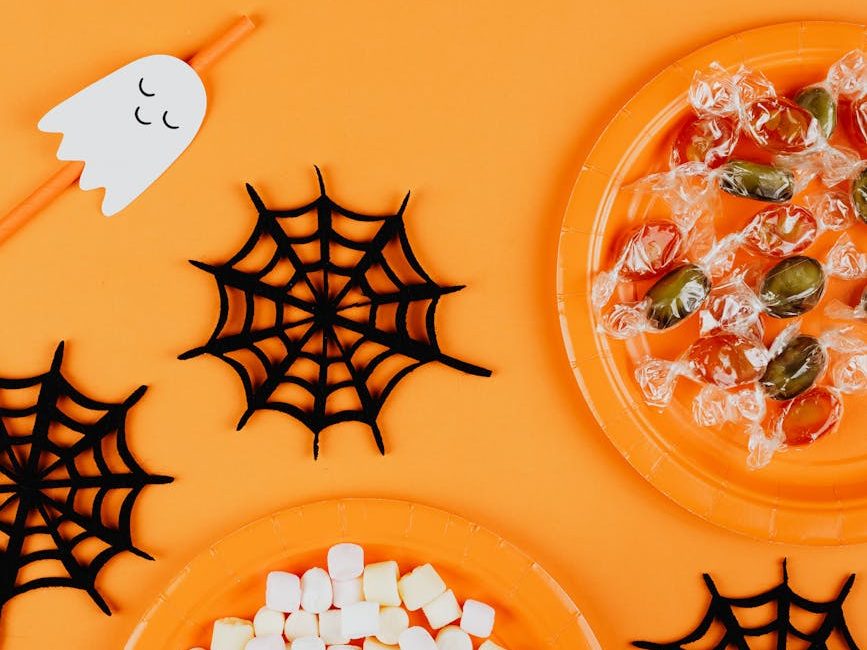
Every October, brands seem to get more creative … and a little creepier. Everything turns orange and black, candy shelves fill up, and companies start leaning into spooky season like it’s a competition. From haunted commercials to pumpkin spice everything, Halloween has basically become a marketer’s dream.
But why do brands put so much effort into one night of the year? Why spend time and money on limited-edition packaging or Halloween-only products? The answer comes down to emotion, nostalgia, and experience – three things Halloween delivers better than almost any other holiday.
Nostalgia and Emotion: Why Halloween Feels Personal
Halloween isn’t just a holiday – it’s a feeling. For many people, it brings back memories of trick-or-treating, picking out costumes, and carving pumpkins. That sense of nostalgia is powerful, and brands know it.
Take Reese’s, for example. Every year, they roll out their pumpkin-shaped cups and bright orange packaging. It’s not a new product, but it instantly reminds people of childhood Halloweens and all the good feelings that come with them. That emotional connection drives purchases, not because people need candy, but because it feels comforting and familiar.
Disney has also tapped into that emotion with its “Halfway to Halloween” campaign, giving fans a reason to celebrate spooky season twice a year. It’s smart because it taps into anticipation and excitement. People love to relive happy memories, and Halloween gives marketers the perfect excuse to bring those feelings back.
The Power of Limited-Time Offers
Another reason Halloween campaigns work so well? Scarcity. When something is only available for a short time, it automatically feels more special. Think about Starbucks’ Pumpkin Cream Cold Brew or Dunkin’s Halloween donuts. They’re seasonal, which makes people rush to get them before they’re gone. Psychologically, that sense of urgency – known as FOMO (fear of missing out) – is a huge motivator.
Even non-food brands use this tactic. Fashion collabs like Spirit Halloween x Hot Topic or limited-edition makeup collections from ColourPop rely on that same “get it before it’s gone” mentality. People love exclusive things, and Halloween provides the perfect reason to make them.
Storytelling: Turning Products into Experiences
The best Halloween marketing isn’t just themed – it tells a story. This time of year gives brands permission to have fun and experiment.
Chipotle’s “Boorito” campaign is a great example. Every Halloween, they offer discounts to customers who show up in costume, turning an ordinary dinner into an event. It’s interactive, funny, and makes people feel like they’re part of something.
Another clever one was M&M’s “Ghosted” campaign. They took the modern idea of “ghosting” and turned it into a lighthearted Halloween story about a bag of candy being left behind. It was funny, a little cringey (in a good way), and highly shareable.
Storytelling makes campaigns memorable because it’s not just about the product – it’s about the experience. Halloween gives brands the freedom to tell playful stories that make people smile or laugh, and that’s what sticks.
Immersive Experiences and Social Media Buzz
Halloween is also huge for engagement. Today’s consumers, especially younger ones, don’t just want to watch ads – they want to participate. That’s why so many Halloween campaigns are interactive and made to be shared.
Heinz’s “Tomato Blood” campaign is the perfect example. They rebranded ketchup as “Tomato Blood,” encouraged people to make spooky creations, and even opened a pop-up “costume shop.” It was gross, funny, and went viral on TikTok.
Even Google gets in on the fun with Halloween-themed doodles and mini-games each year. It’s a small gesture, but it makes users feel part of the celebration.
Halloween is also one of the most “Instagrammable” holidays. Between costumes, decorations, and events, brands that create something shareable – like photo booths, challenges, or hashtags – get tons of free promotion. It’s not just marketing; it’s community-building.
Inclusivity and Community: Halloween for Everyone
In recent years, brands have made Halloween marketing more inclusive. Not everyone celebrates the same way, and not everyone can participate in traditional costume culture.
Target’s adaptive Halloween costumes are a great example. They designed options for kids with wheelchairs or sensory sensitivities, which was both thoughtful and powerful. It wasn’t just about selling more costumes; it was about making sure everyone could be part of the fun.
LEGO’s “Build Your Monster” campaign took a similar approach, encouraging kids to design their own monsters online. It’s simple, but promotes creativity and individuality, both core values that resonate with families. These kinds of campaigns stand out because they’re about connection, not just commerce.
The Halo Effect: When One Event Shapes a Brand
One of the coolest things about seasonal campaigns is how they can shape how people view a brand all year long. Psychologists call this the halo effect – when one positive experience influences how you see everything else that company does.
Skittles’ “Zombie Skittles” campaign is a perfect example. They mixed normal flavors with a few “rotten” mystery ones, and people’s reactions were hilarious. It became a social media hit, and even after Halloween ended, Skittles was seen as a bold, fun, slightly chaotic brand. That kind of impression lasts long after the season ends.
Why It All Works
Halloween is basically the perfect storm for marketers. It’s nostalgic, emotional, visually creative, and short enough to create urgency. It gives brands permission to break their usual tone and show some personality.
The best Halloween campaigns don’t just sell – they invite. They make people feel something, participate, laugh, or share. In a marketing world that’s often oversaturated and competitive, that kind of connection stands out.
So next time you see your favorite brand roll out something spooky for October, take a closer look. There’s probably more strategy (and psychology) behind that pumpkin packaging than you think.
References
https://www.adweek.com/brand-marketing/nostalgia-drives-halloween-as-brands-revive-classic-ads
https://www.marketingdive.com/news/chipotle-revamps-boorito-promotion-as-all-digital-event/587667/
https://www.foodandwine.com/news/heinz-tomato-blood-ketchup-costumes?
 AMA University of New Hampshire
Leave a comment