
By Maddie Nerden
Jellycat is the British plush toy brand that has taken the world by storm with its whimsical, high-quality designs that bring joy to fans of all ages. Although the brand recently celebrated its 25th anniversary, its popularity skyrocketed over the past year. With nearly 2 million followers across its social media channels and an impressive 1 million Instagram followers as of October 2024, Jellycat’s popularity shows no sign of slowing down. The secret to this sudden comeback? A collection of playful “Amusesables” that turn everyday objects into adorable plushies, along with the brand’s limited-edition releases and pop-up shops that transformed its products into coveted collectibles.
From Cute to Coveted: How Social Psychology Fuels the Jellycat Craze
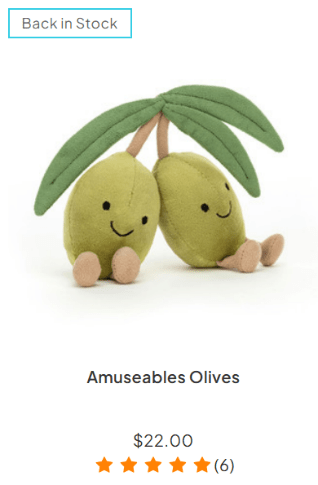
The appeal of Jellycat’s limited edition plushies is tied into two social psychology principles: scarcity and social validation. The scarcity principle suggests that consumers often want what they perceive as exclusive or unavailable. Jellycat leverages this principle by tagging the phrases “Back in Stock” and “Online Exclusive” to products on their website. “Back in Stock” informs the consumer that the product previously sold out, triggering urgency as they rush to secure it before it’s gone again. While the phrase “Online Exclusive” makes the product feel rare, prompting collectors to act fast before it becomes unavailable.
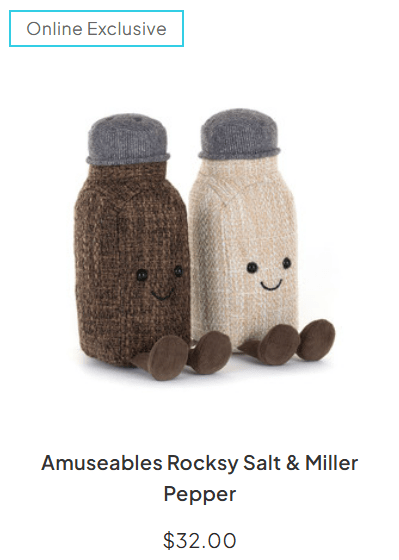
This “Online Exclusive” Amuseables plushie can only be found on Jellycat’s website, making it a rare find that collectors will not want to miss.
The “Back in Stock” tag creates a sense of urgency, encouraging customers to buy the plushie quickly before it’s gone again.
Jellycat releases seasonal plushies that are available for a limited time each year, creating a sense of exclusivity for fans. With no guarantee that these plushies will return next year, collectors andfans feel they must act quickly to secure their favorite characters. Jellycat capitalizes on scarcity through social media by posting “Jelly Drop” videos that highlight new and seasonal releases. Their plushie release captions emphasize the exclusivity of these limited-edition plushies, generating excitement among fans.
The social validation principle also plays a role in Jellycat’s recent success. This principle suggests that people are more likely to adopt behaviors they see others doing, especially when a trend appears widely embraced. As Jellycat gained organic traction online from fans’ posts of their pop-up shops and limited-edition plushies, they quickly became a popular brand. This organic social media traction encouraged more consumers to join the trend, and increased Jellycat’s demand.
Jellycat on Tour
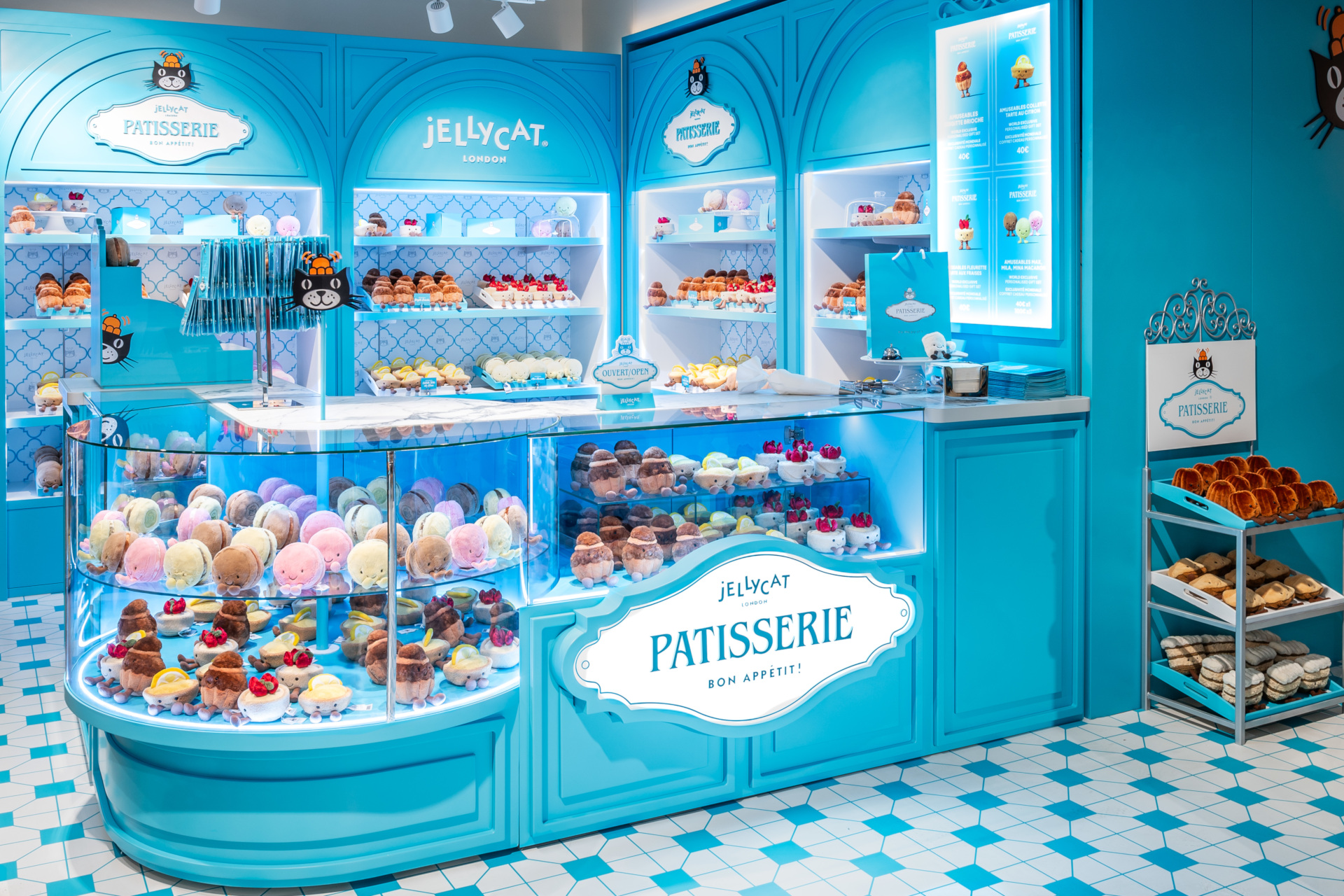
A unique part of Jellycat’s marketing strategy is their immersive pop-up shops hosted across the globe. Jellycat created a playful world inspired by their food-themed Amuseables collection, with a diner in New York City, a Patisserie in Paris, a Fish and Chips shop in London, and a Café in Shanghai. Customers interact with the employees as the Jellycat they chose is “prepared” right in front of them, adding a personal touch. Offering exclusive, location-specific plushies that cannot be found anywhere else, Jellycat uses regional scarcity to entice consumers to visit.
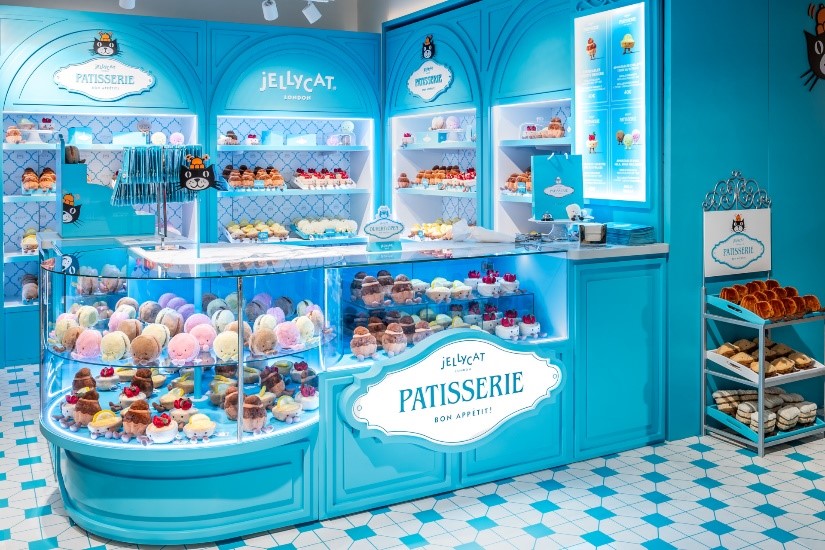
Jellycat’s pop-up shops have become a viral sensation because of the user-generated content on TikTok. Fans share their trip, highlighting both the exclusive Amuseable plushie and the immersive shopping experience, which creates a buzz that generates more brand awareness. The regional scarcity of these pop-up shops causes a strong feeling of FOMO (Fear of Missing Out) among consumers, compelling many to travel from other parts of the world for the chance to visit.
What We Can All Learn from Jellycat
Through smart use of social psychology, Jellycat crafted a highly effective integrated marketing campaign that turned them into a worldwide phenomenon. By tapping into scarcity and social validation, Jellycat increased their brand loyalty by creating a unique, shared experience for fans. These brand experiences resonate with fans and, most importantly, achieves Jellycat’s mission: to put a smile on people’s faces.
References
 AMA University of New Hampshire

Leave a comment