
Written by: Riley Codero
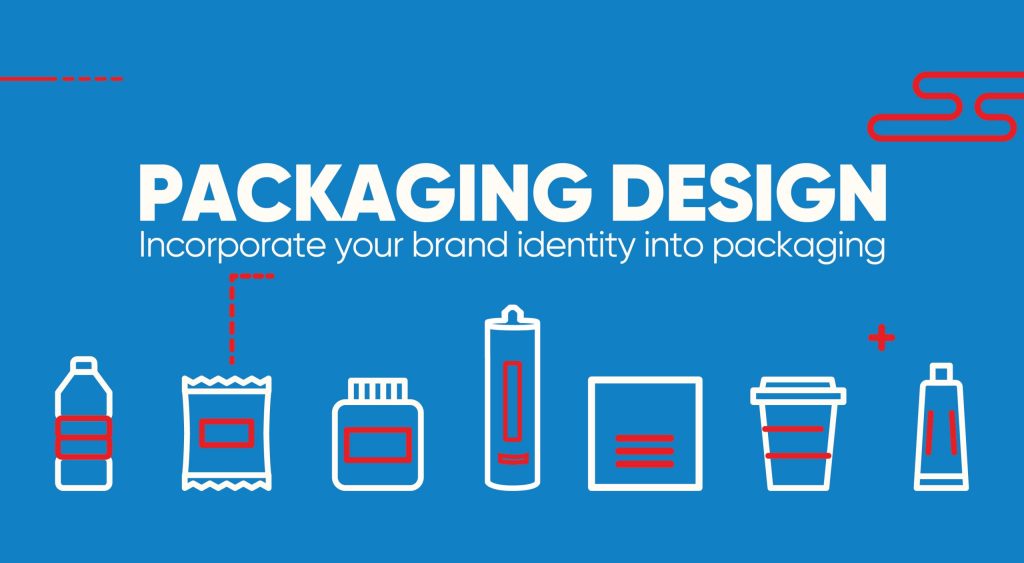
Have you ever purchased something you didn’t actually need simply because it looked cool or matched your aesthetic? Most people have, whether they realize it or not. This is a perfect example of how packaging plays a powerful role in shaping buying decisions. Packaging is often the first interaction a customer has with a product, and it can strongly influence whether that product ends up in their cart or gets left behind on the shelf.
Packaging is more than just a container. It is the combination of design, materials, colors, and messaging used to protect and present a product for sale. Good packaging communicates what the product is, who it is for, and how the brand wants customers to feel. While we are often told not to judge a book by its cover, shopping behavior proves that visual appeal matters. Even the highest-quality product can struggle if its packaging fails to attract attention or connect with consumers.
Creating Effective Packaging
Designing effective packaging starts with intentional planning. One of the most helpful tools for achieving consistency and clarity is a brand kit. A brand kit outlines all the visual elements a company uses to represent itself, including logos, fonts, color palettes, and imagery. This ensures that packaging, social media, websites, and advertisements all feel cohesive and recognizable.
A strong example of consistent branding is Dunkin. The brand’s use of bright pink and orange, playful fonts, and recognizable logo makes it instantly identifiable. Over time, this consistency has built strong brand recognition, to the point where those colors alone can remind consumers of the brand. When developing packaging, a brand kit should reflect the product, the target audience, and the emotional response the company wants to create.
The Role of Research and Consumer Psychology
Once a brand framework is established, research becomes essential. Looking at competitor packaging can provide insight into industry norms and consumer expectations. Packaging should also align with the psychology of the product. For example, a sleep aid would likely benefit from calming colors and soft typography rather than bright neon shades or harsh fonts. When packaging contradicts consumer expectations, it can confuse shoppers and reduce appeal.
Understanding how colors, shapes, and design elements influence perception helps brands communicate more effectively. Packaging should feel intuitive to the consumer and reinforce the purpose of the product rather than distract from it.
When Rebranding Becomes Necessary
Sometimes, even well-established branding no longer works. Sales may decline, target audiences may shift, or visual styles may become outdated. In these cases, rebranding can help a product regain relevance and attract new customers. Rebranding does not always require changing the product itself. Often, updating packaging and visual identity is enough to refresh how consumers perceive the brand.
The first step in rebranding is evaluating what is currently working and what is not. Brands should consider how customers view them and whether that perception aligns with company values and goals. Studying competitors, monitoring trends, and gathering customer feedback through surveys or reviews can provide valuable direction. Social media also plays a major role in identifying trends and understanding consumer preferences, especially through influencers and online conversations.
Once a new visual identity is developed, communication becomes key. Customers need to understand that a rebrand has occurred and why. Clear messaging helps avoid confusion and builds trust. Brands that listen to feedback and make thoughtful changes show accountability, which strengthens consumer relationships.
Why Packaging Matters
Packaging and rebranding go hand in hand because they shape first impressions before a customer ever uses the product. Effective packaging communicates quality, personality, and purpose, while a strategic brand identity ensures that message is clear and consistent. Ultimately, packaging is not just about protection. It is a powerful marketing tool that influences emotions, guides decisions, and can be the deciding factor between choosing one brand over another.
 AMA University of New Hampshire
Leave a comment