
Written by: Mia Pittore
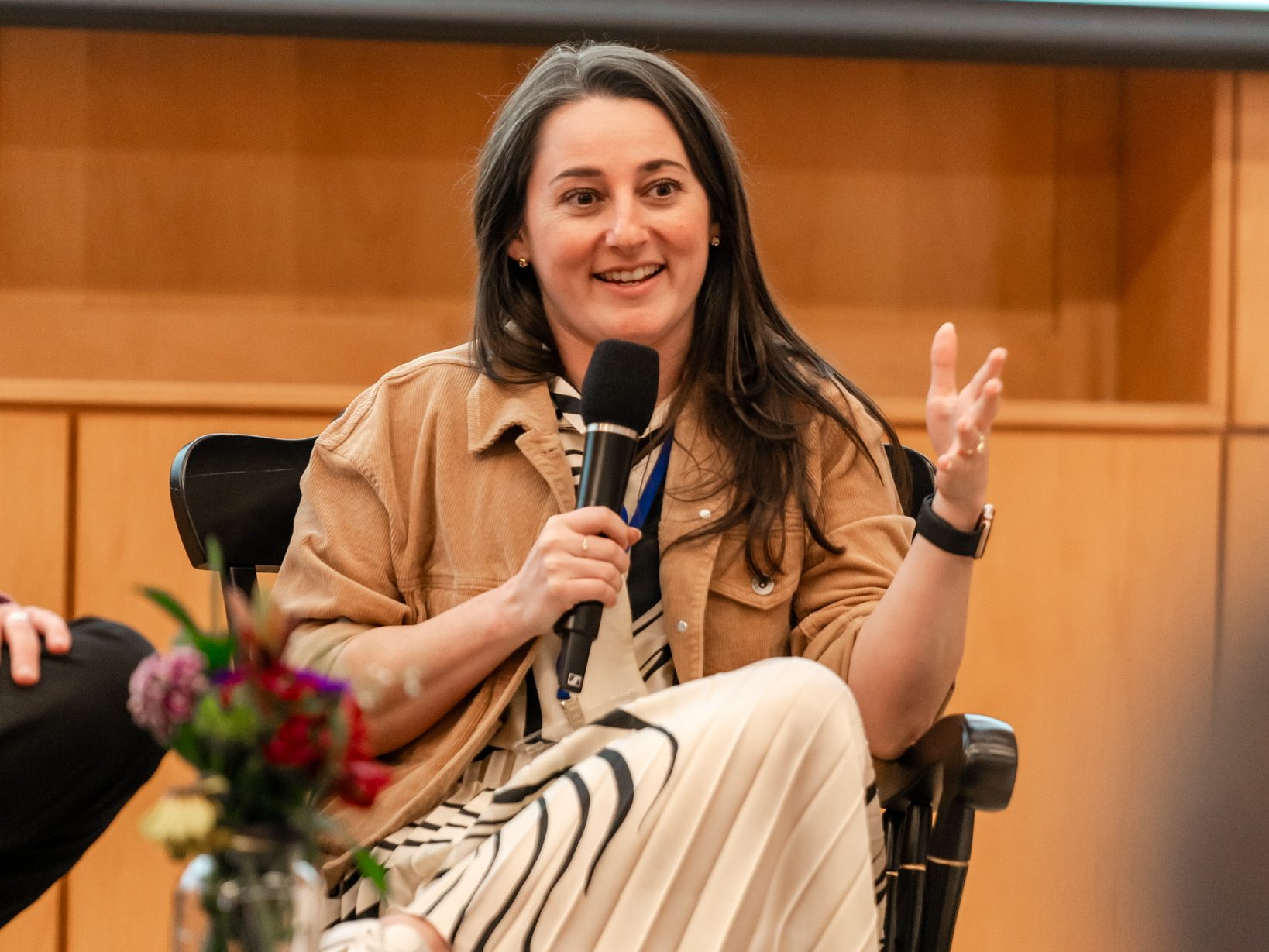
Each year, students at the University of New Hampshire’s Peter T. Paul College of Business and Economics have the opportunity to experience marketing and advertising beyond the classroom through the MAC SMAC Conference. Hosted by the Marketing and Advertising Club (MAC), this annual event brings together students, alumni, and industry professionals for an evening centered around learning, networking, and career development.
Now in its 10th year, the MAC SMAC Conference continues to grow as one of the club’s most impactful events. What makes the conference especially unique is that it is entirely student-led. From planning and promotion to speaker coordination and logistics, students work behind the scenes for months to create a meaningful experience for their peers.
The conference reflects the values of Paul College by combining professional development with experiential learning. For students interested in marketing, advertising, and business, MAC SMAC offers an opportunity to hear directly from professionals, ask questions, and gain insight into what the industry truly looks like.
A Conference Built by Students
While the conference itself lasts only a few hours, the work that goes into planning it begins months in advance. Student leaders collaborate to develop the event concept, secure speakers, promote the conference across campus, and ensure everything runs smoothly on the day of the event.
Organizing a conference of this scale requires strong teamwork and leadership. Students involved in the planning process gain hands-on experience in areas such as project management, event marketing, communication, and problem-solving. These are the same skills that marketing professionals use every day in their careers.
The planning process also demonstrates the dedication of students within the Marketing and Advertising Club. Balancing coursework, internships, and extracurricular responsibilities while planning a large-scale event is no small task. However, the result is an event that provides value not only for attendees, but also for the students who organize it.
Experiences like this are what make student organizations so impactful. They allow students to apply the concepts they learn in class to real-world situations while developing leadership skills that will benefit them long after graduation.
The Conference Theme: The Human Connection
This year’s MAC SMAC Conference centered around the theme The Human Connection, emphasizing the importance of building genuine relationships in both marketing and professional environments. While technology and data play a major role in modern marketing strategies, the conference highlighted that meaningful connections with audiences remain at the core of successful campaigns.
Throughout the event, speakers discussed how authenticity, storytelling, and empathy help brands create stronger relationships with consumers. In an era where digital platforms dominate communication, marketers must remember that behind every data point is a real person.
The theme also extended beyond marketing itself. It reminded students of the importance of networking, mentorship, and collaboration in building successful careers. By focusing on the human side of marketing, the conference reinforced that strong relationships remain one of the most powerful tools in the industry.
Real World Business Challenge
A major highlight of the MAC SMAC Conference was the Real World Business Challenge, where student teams had the opportunity to present marketing strategies they developed for a real client. Throughout the semester, students worked closely with the company to analyze its current marketing efforts and develop recommendations to help the business grow.
During the conference, the teams presented their research, insights, and marketing strategies to a panel of judges and attendees. The presentations showcased the students’ ability to apply concepts learned in the classroom to real-world business situations. Teams presented analyses such as market research, competitor evaluations, customer personas, and strategic marketing recommendations.
The Real World Business Challenge not only allowed students to demonstrate their skills, but also gave them valuable experience presenting professional work in front of an audience. It highlighted the creativity, critical thinking, and teamwork that students at Paul College bring to real business problems.
Keynote Speaker: Bob Gates
The conference’s keynote speaker, Bob Gates, the Creative Director at CVS Health, brought an inspiring perspective to the event. Drawing from his experience leading creative work for a major healthcare brand, Gates spoke about the power of storytelling and creativity in building meaningful brand experiences.
During his keynote, he discussed how strong creative ideas can help brands connect with people on a deeper level. He also shared insights into the role of creativity within large organizations and how marketing teams can create work that is both strategic and impactful.
His message encouraged students to stay curious, embrace creativity, and never underestimate the power of a strong idea. Gates reminded the audience that while marketing tools and platforms may continue to evolve, authentic storytelling and thoughtful creativity will always be at the heart of great marketing.
Learning from Industry Professionals
One of the most valuable aspects of the MAC SMAC Conference is the opportunity for students to hear directly from professionals working in the marketing and advertising industry. Each year, the conference brings together alumni and industry leaders who are excited to share their experiences and advice with current students.
These conversations give students insight into the many different career paths within marketing. From brand management and advertising to digital marketing and strategy, the speakers represent a wide range of roles and industries.
Many of the professionals who participate in the conference are also alumni of UNH. Their return to campus highlights the strength of the Paul College network and the willingness of alumni to support the next generation of students entering the field.
For attendees, hearing these stories makes career paths feel more tangible. It helps students understand how professionals got their start, what challenges they faced early in their careers, and how they navigated opportunities along the way.
The Real Career Playbook
One of the highlights of this year’s conference was the panel discussion titled “The Real Career Playbook.” The panel focused on helping students better understand the transition from college to the professional world.
During the discussion, panelists shared honest insights about their early career experiences. They spoke about navigating internships, adjusting to their first full-time roles, and learning how to build confidence in professional environments.
The conversation emphasized that career paths are rarely perfectly linear. Many panelists explained that their careers evolved through unexpected opportunities, networking connections, and a willingness to take on new challenges.
For students in the audience, hearing these perspectives was incredibly valuable. Instead of only seeing the polished final stage of someone’s career, they were able to learn about the steps, risks, and lessons that helped professionals reach where they are today.
Marketing at the Turning Point
Another important panel during the conference was Marketing at the Turning Point, which explored how the marketing and advertising industry is evolving in response to new technologies and changing consumer expectations. The speakers discussed how modern marketers must balance creativity with data while adapting to rapid changes in digital platforms and media consumption.
Panelists shared insights into how emerging technologies, shifting social media trends, and increasing access to data are transforming the way brands communicate with audiences. They emphasized that successful marketers must remain flexible and open to change as the industry continues to evolve.
For students, the panel provided a realistic look at the future of marketing. It highlighted that while tools and platforms may change, the ability to think strategically, stay curious, and continuously learn will remain essential for long-term success.
The Power of Networking
In addition to panel discussions, the MAC SMAC Conference provides students with valuable networking opportunities. After the panels, attendees have the chance to speak directly with professionals, ask questions, and learn more about different companies and career paths.
Networking can sometimes feel intimidating for students, especially those who are just beginning to explore their professional interests. However, events like MAC SMAC help make these conversations feel more natural and accessible.
Speaking with professionals allows students to practice introducing themselves, discussing their interests, and asking thoughtful questions about the industry. These interactions can often lead to internships, mentorship opportunities, and valuable career advice.
Looking Ahead
As the MAC SMAC Conference celebrated its 10th year, it served as a reminder of how impactful student-led initiatives can be. The event continues to grow each year, bringing together students and professionals who are passionate about marketing, advertising, and business.
For many students, attending MAC SMAC is more than just another campus event. It is an opportunity to learn from professionals, build connections, and gain a clearer understanding of what their future careers might look like.
With each new group of student leaders, the conference continues to evolve. Fresh ideas, new speakers, and new perspectives ensure that MAC SMAC remains relevant and valuable for the next generation of marketing professionals.
Ultimately, the conference highlights the strength of the Paul College community. Through collaboration between students, alumni, and faculty, MAC SMAC continues to create meaningful opportunities for learning, leadership, and professional growth.
 AMA University of New Hampshire
Leave a comment