

Written By: Aly Kellett
There’s something about a pink Stanley cup, a perfectly curated skincare routine, a pilates class, and an iced matcha that has become more than just a collection of everyday purchases. It’s a lifestyle. And brands have started to recognize just how powerful that lifestyle can be.
It’s More Than Just a Product
The Girlhood Economy refers to the growing market built around products, experiences, and lifestyles that appeal to female consumers. Rather than simply selling a product, brands are creating an entire identity around it. Think of the popularity of Stanley cups, Rhode lip treatments, matching workout sets, and skincare routines. These products aren’t just being purchased for their practical use; they’re also a part of an aesthetic, a trend, and even a sense of belonging.
What Caused the Rise of the Girlhood Economy?
Well, it didn’t happen overnight. A combination of social media trends, influencer culture, changing consumer habits, and the desire for community has helped turn everyday interests into major marketing opportunities.
- TikTok and Instagram: Social media has made it easier than ever for trends to spread.
- Influencer Culture: Influencers have changed the way consumers discover and purchase products. Instead of relying solely on traditional advertisements, people often look to creators for recommendations, product reviews, and inspiration.
- Community and Belonging: Many consumers want to feel connected to people who share similar interests.
- Lifestyle Content: Social media has helped turn everyday routines into aspirational lifestyles.
- Needs to Experiences: Consumers aren’t always purchasing products based solely on functionality. Sometimes, they want the experience, feeling, or identity associated with a purchase.
- Viral Trends and FOMO: When a product becomes popular online, consumers may feel like they’re missing out if they don’t participate. Limited-edition releases, trending products, and viral recommendations can create a sense of urgency that encourages people to purchase before the opportunity disappears.
Together, they helped transform everyday interests into powerful consumer trends, giving brands opportunities to connect with their audiences in ways that go beyond traditional marketing for a product.
The Brands Doing It Be
Rhode
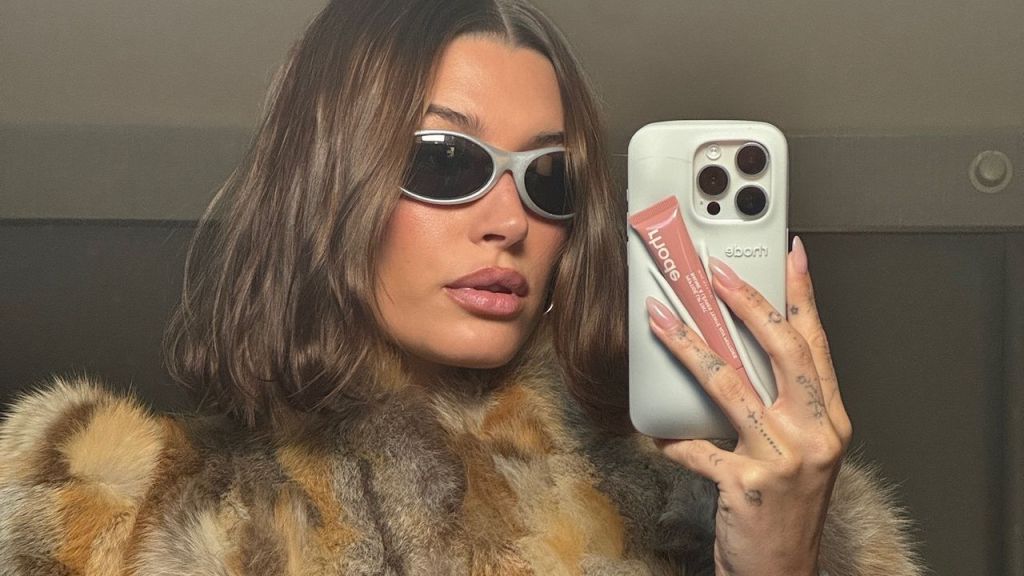
Founded by Hailey Bieber, Rhode has built its identity around minimal packaging, glowing skin, neutral colors, and the popular “clean girl” aesthetic. Instead of the traditional advertising style, Rhode takes a different approach by marketing an entire beauty routine that consumers can aspire to recreate, including everyday lifestyle content that makes the brand feel like more than just a skincare company.
One of its most recognizable marketing moments was the launch of its phone case designed to hold its Peptide Lip Treatment. The product combined functionality with aesthetics, turning an everyday accessory into something consumers wanted to show off.
Glossier
Glossier takes a slightly different approach by focusing on community and authenticity.
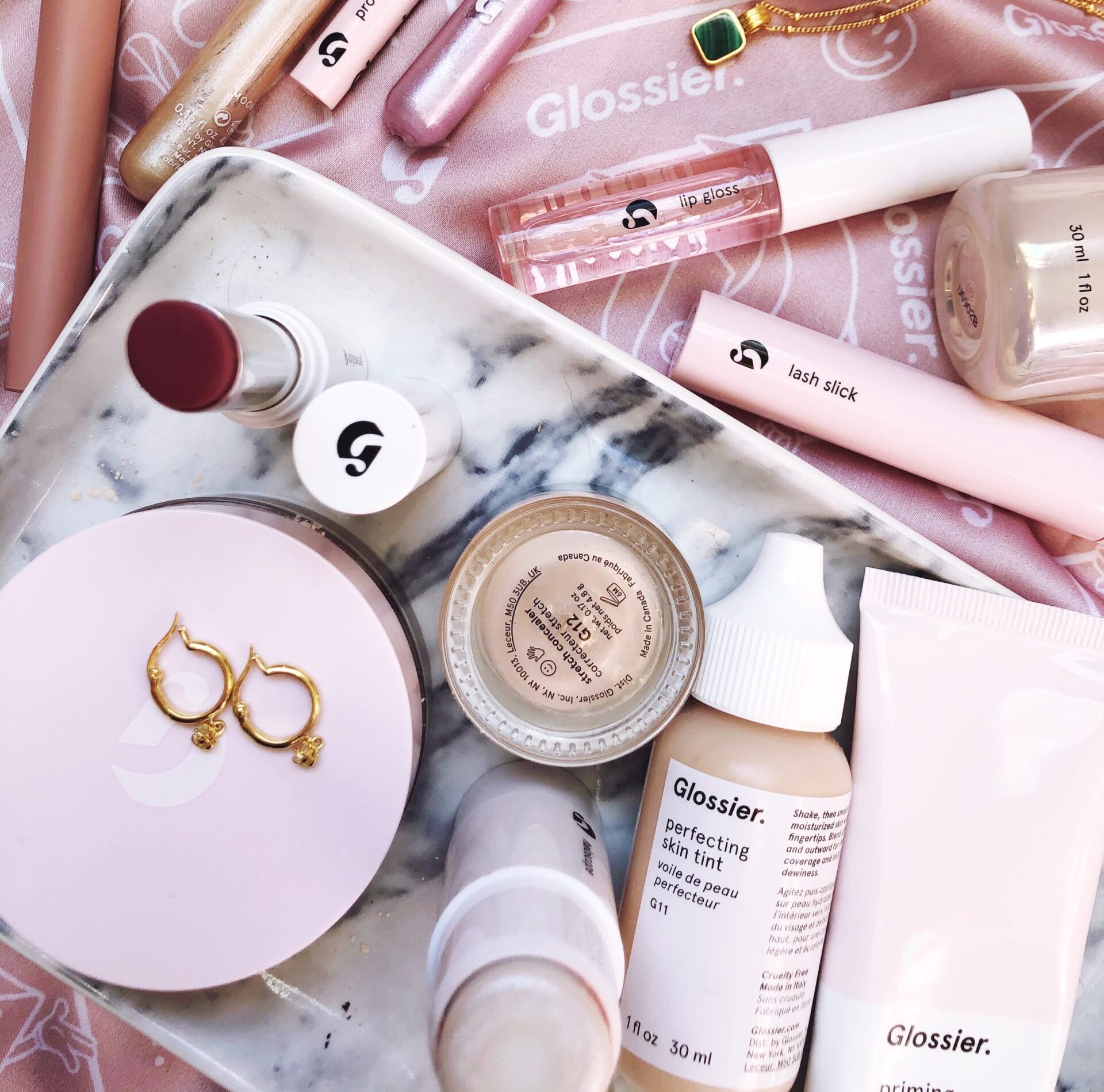
One of Glossier’s biggest marketing strengths is its emphasis on user-generated content. Rather than relying entirely on professional advertisements, the brand encourages customers to share their own beauty routines and product recommendations.
Its recognizable pink packaging, simple product designs, and natural makeup aesthetic have created a strong brand identity. Customers aren’t just purchasing makeup or skincare; they’re also becoming a part of a community that celebrates individuality and everyday beauty.
Stanley

Who would have thought a reusable water bottle could become one of the most recognizable lifestyle accessories? Stanley is a perfect example of how marketing can transform an ordinary product into something consumers want to collect, and match it to their individual aesthetic and brand.
Although Stanley has been around for over a century, its Quencher tumbler experienced a major increase in popularity after gaining attention from female consumers and social media influencers.
TikTok played a huge role in the cup’s popularity. Consumers began sharing their collections, favorite colors, and daily routines featuring the cups, with limited-edition releases encouraging more excitement.
Ultimately, the Quencher gained attention through organic recommendations, viral videos, and user-generated content.
Lululemon

Through its social media, ambassador partnerships, fitness events, and local classes, the brand creates experiences for customers to connect with the brand beyond shopping.
Its ambassador program is particularly important to its marketing strategy. By partnering with fitness instructors, athletes, and local community members, Lululemon builds relationships with people who represent the lifestyle it promotes.
This approach makes customers feel like they are purchasing more than workout clothes. They’re buying into a lifestyle that encourages cute matching sets, matcha mornings, and pilates with friends, even though their products are just workout pieces.
What Do All Four Brands Have in Common?
- Strong Brand Identity
- Social Media Influence
- Lifestyle Marketing
- Community Building
What This Means for the Future of Marketing
At the end of the day, the Girlhood Economy proves that marketing is about more than selling a product; it’s about selling a feeling, a lifestyle, and a sense of belonging. As trends continue to evolve, brands that create genuine connections with their audiences will be the ones that stand out.


Leave a Reply